THE FLASH
Point to point parcel delivery mobile application
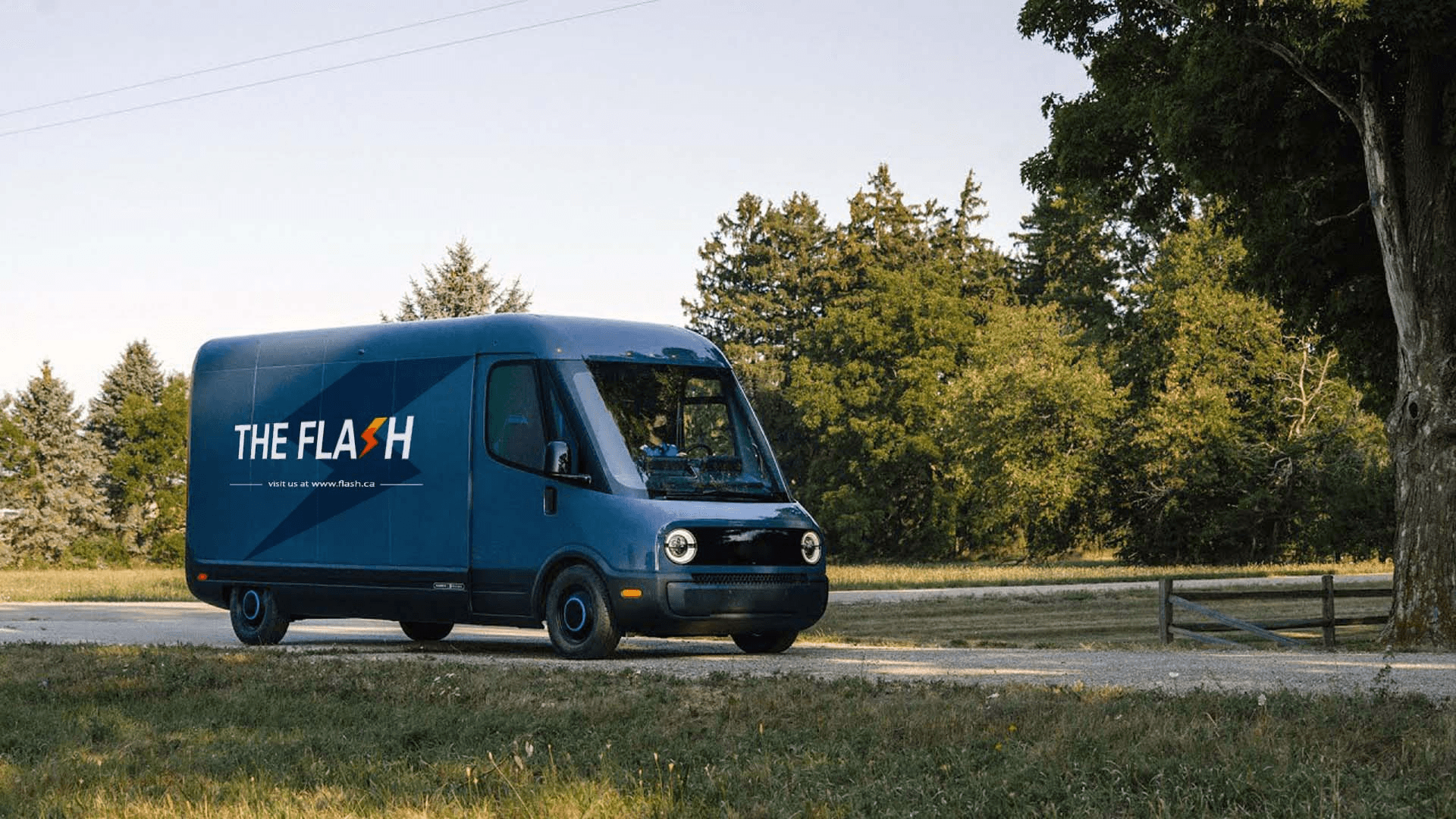
THE FLASH is designed for working-class and old-aged people that can change the way you send or receive Items, We connect you to the nearest delivery partner who will pick up the items and drop them off for you.
As the UX Designer, I was involved in all phases of the project, from mapping out the problem to delivering the final designs. I worked cross-functionally with the Business Team, Development Team, and Marketing Team.
Understanding the problem statements
To get a basic layout of the situation, a business and research problem statement were defined.
Business Problem Statement
Demand for groceries, food, and other products purchased online and delivered directly to your door substantially increased with the Pandemic, People also wanted their items to be sent or received in the same manner.
Design and develop a point-to-point Parcel Delivery System, Targeting small and medium business owners and Individuals within Metropolitan areas like Toronto, Vancouver, etc.
Research Problem Statement
There are very few options of on-demand, point-to-point parcel delivery services available for people who wanted to send or receive items.
Secondary Research; Focused on Context
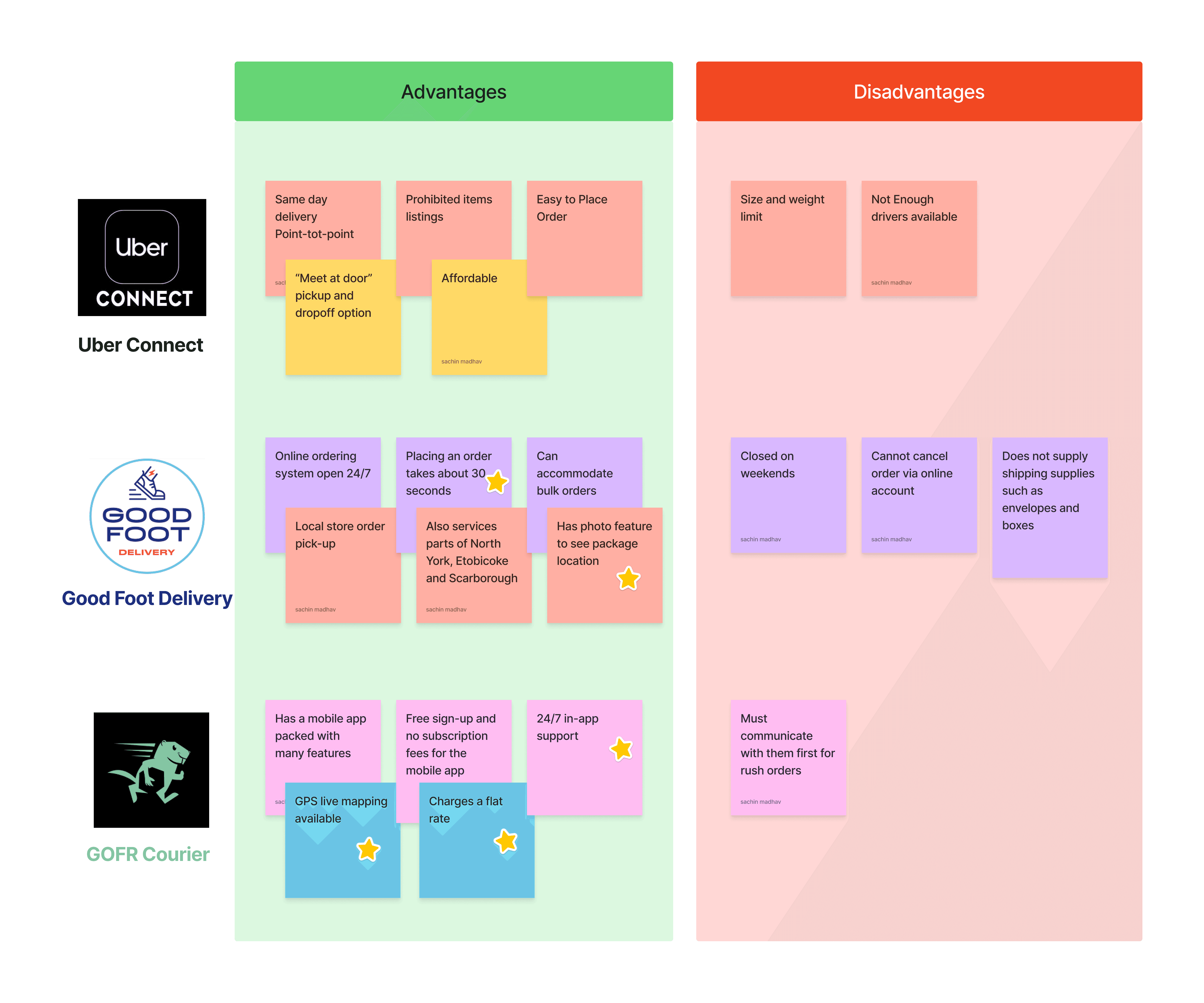
I did secondary research also known as desk research; to understand the environment, how the system works, and just a quick overview to understand what are the issues or feedbacks stated with existing services.
The goal of the research is to gather crucial insights about the courier and delivery service market, especially in big cities like Greater Toronto Area, as well as to understand end users’ expressions, needs, and motivations.
Both market and user research were conducted to make better design decisions, and frame information in a way that is meaningful.
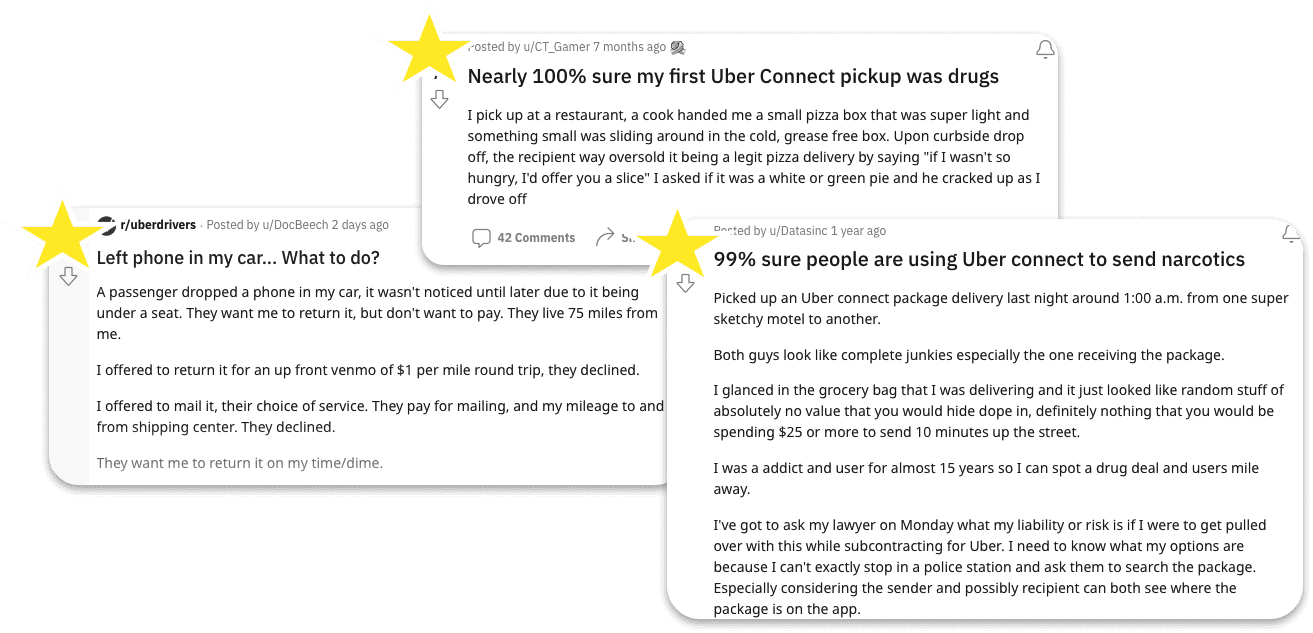
Key Findings
Lack of proper instructions to users.
Time and delays
Misuse of the service by sending prohibited/illegal items, etc.
Price fluctuations during peak hours
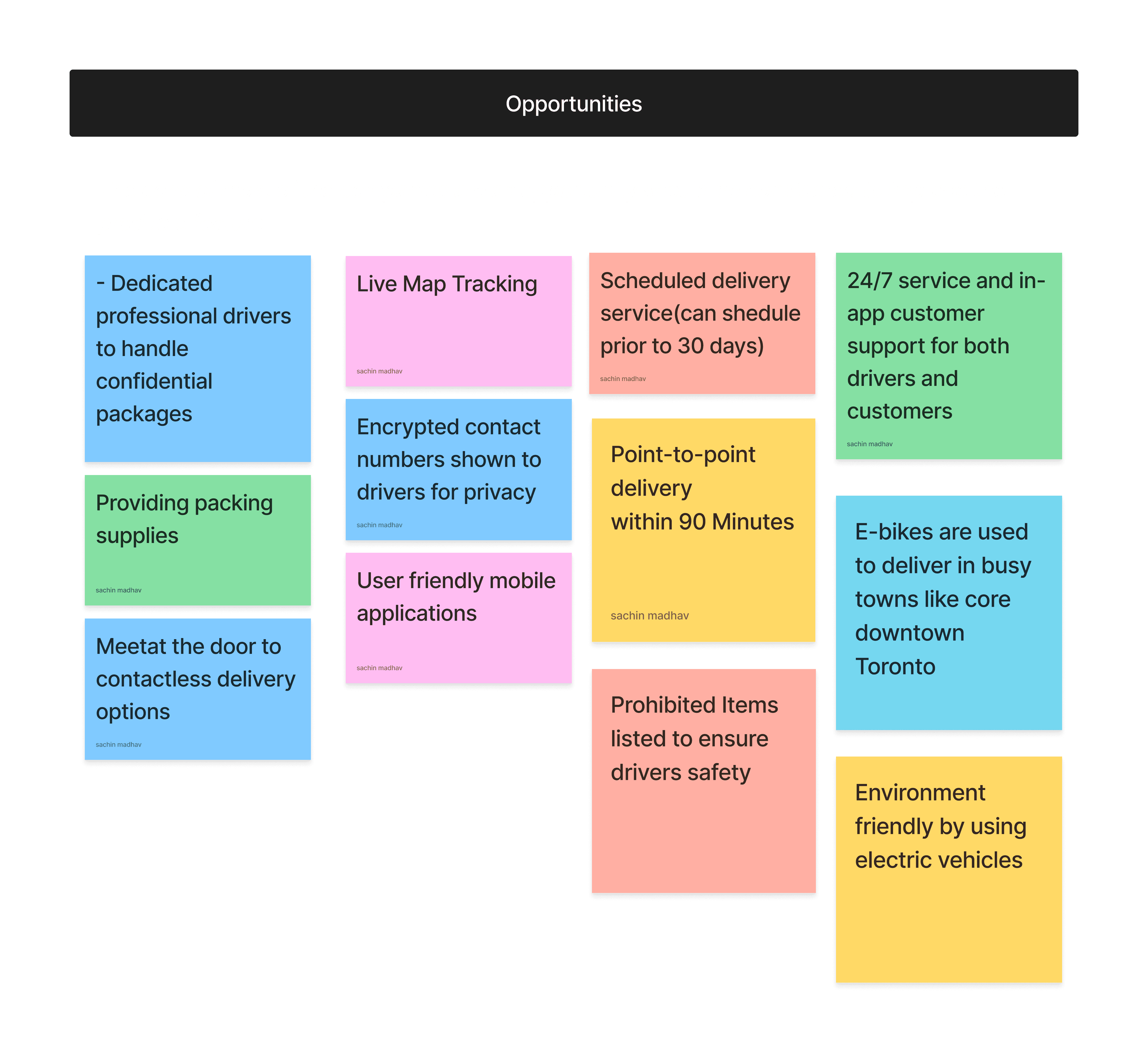
Competitive Analysis
The Problem
We have tons of apps for food delivery, apparel, and courier services. Now, think of a scenario where you are in urgent need of medicines, forgot to bring your lunch to the office from home, or any such instances. The thought of someone getting your needs delivered to your doorstep is something anyone would need.
The problem lies in the fact that we do not have many apps for point-to-point, on-demand delivery services that can be accessible to businesses and people at large.
The Solution
Website and mobile application that can be used to place orders for point to point, on-demand, and scheduled delivery.
Parcel delivery within 90 minutes.
Trained Professionals in handling business/confidential parcels.
Sketches
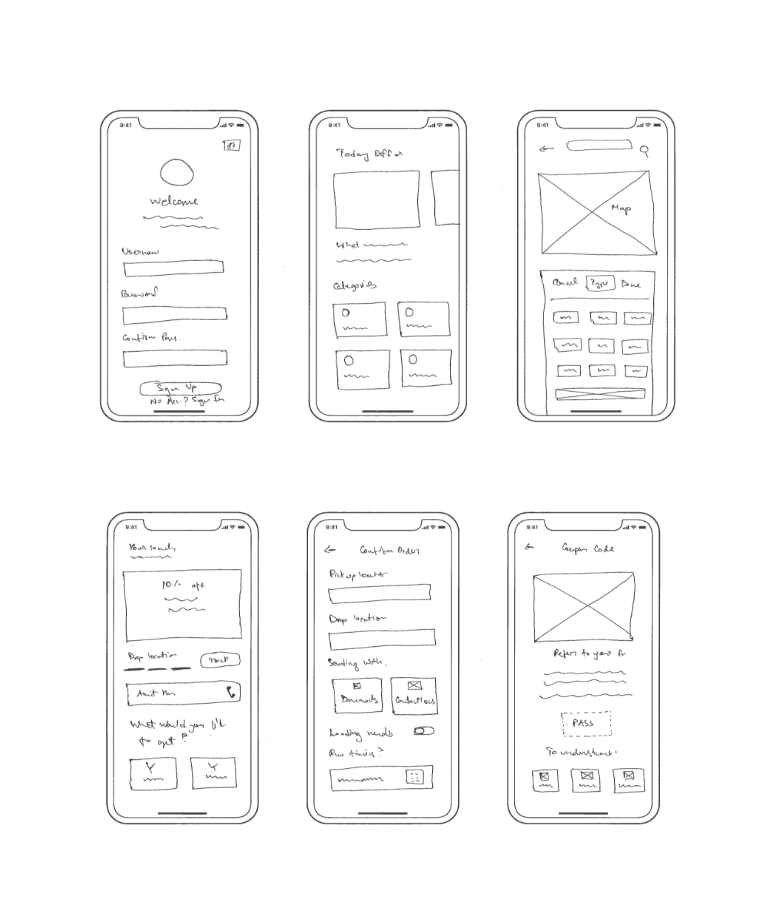
I sketched the low-fidelity wireframes for the Customer mobile app. I conducted audits of different online learning and course platforms to discern common patterns and pain points.
I always reached out for feedback and tested the design with different individuals throughout the entire process. it helped to decide the flow and functionality of the app.
Wireframes
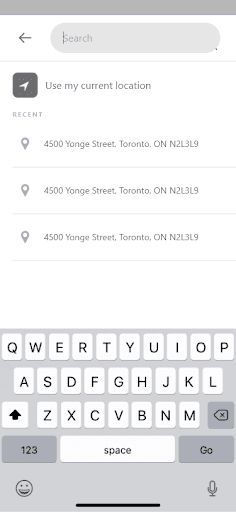
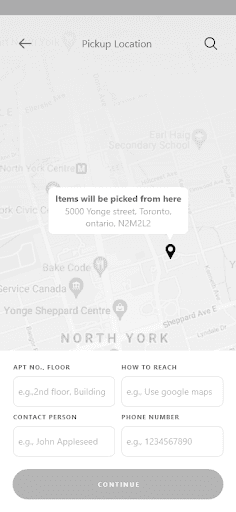
I sketched the low-fidelity wireframes for the Customer mobile app. I conducted audits of different online learning and course platforms to discern common patterns and pain points.
I always reached out for feedback and tested the design with different individuals throughout the entire process. it helped to decide the flow and functionality of the app.
Visual Design
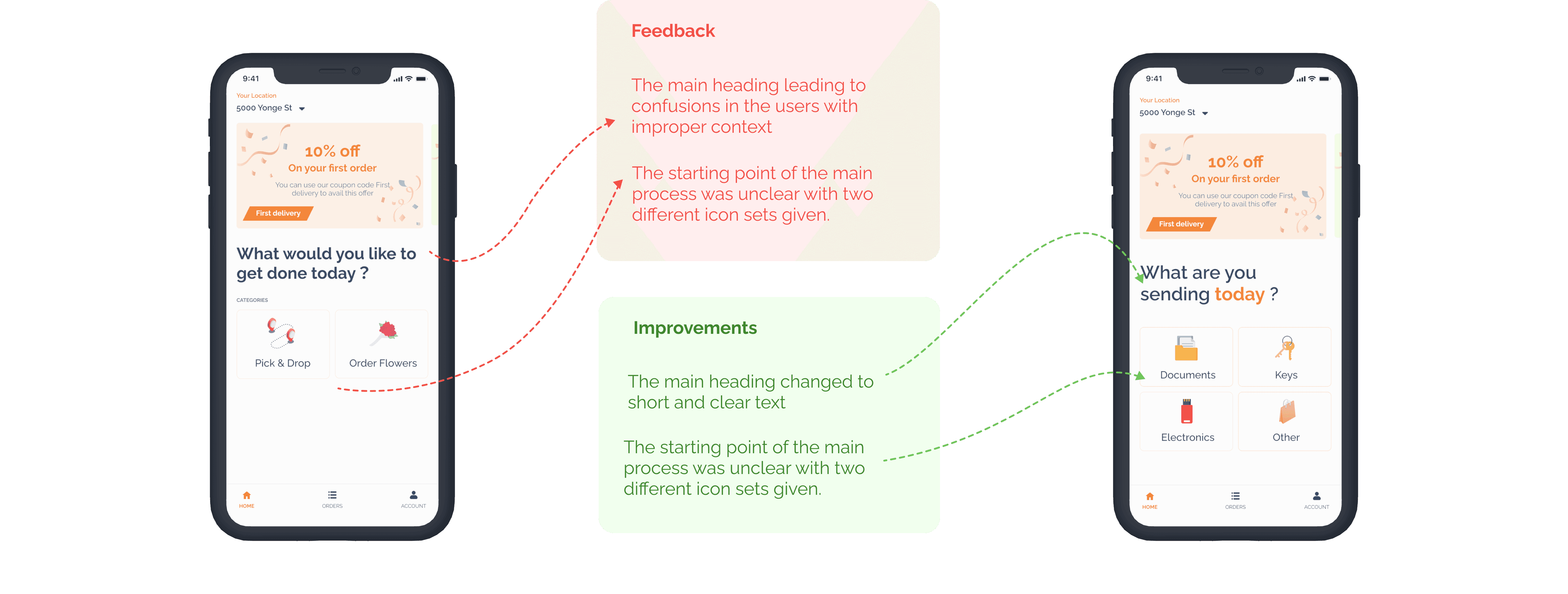
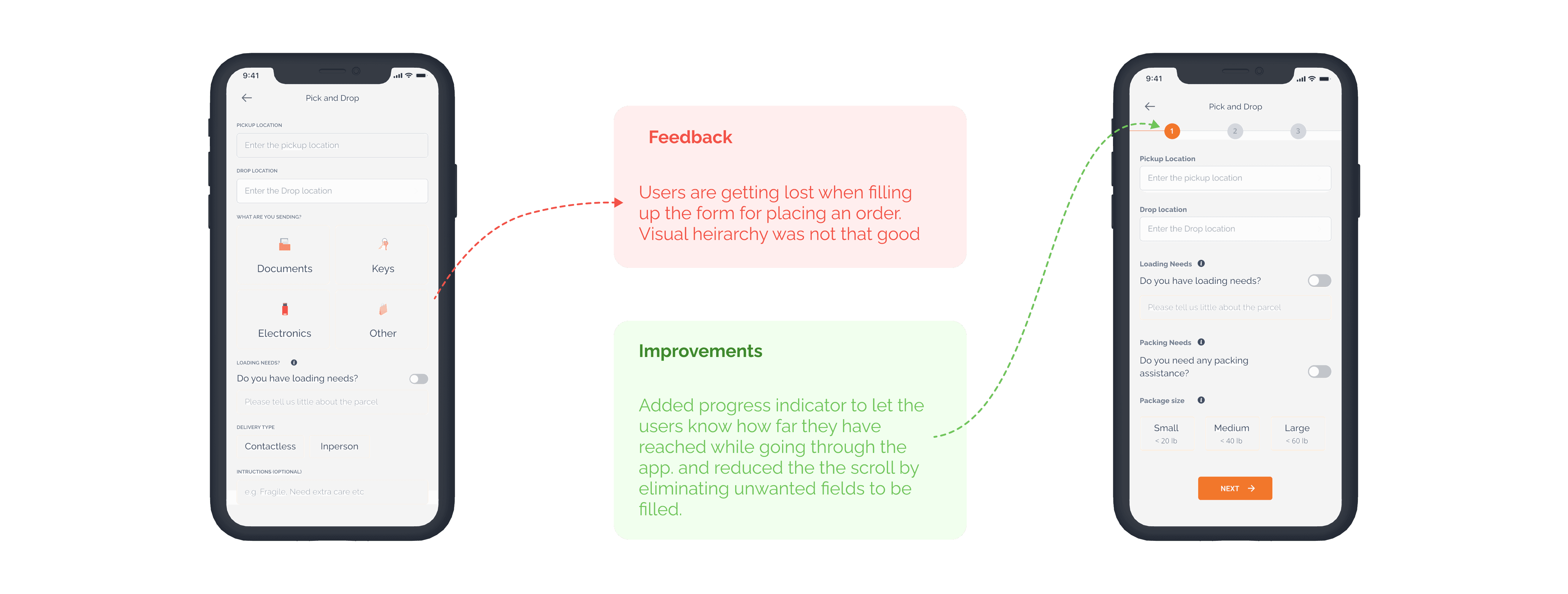
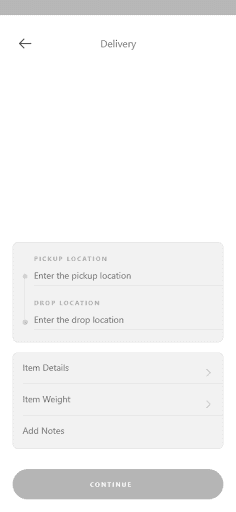
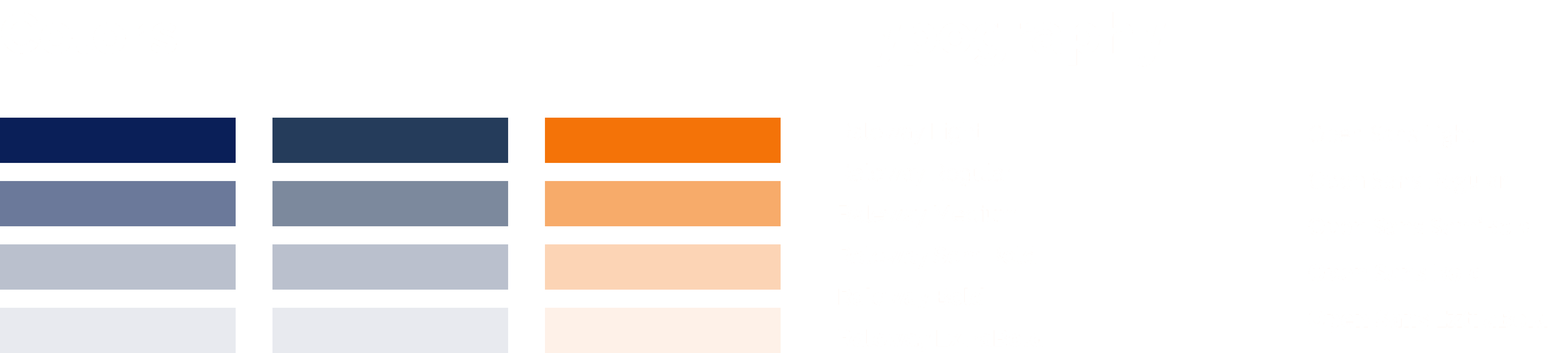
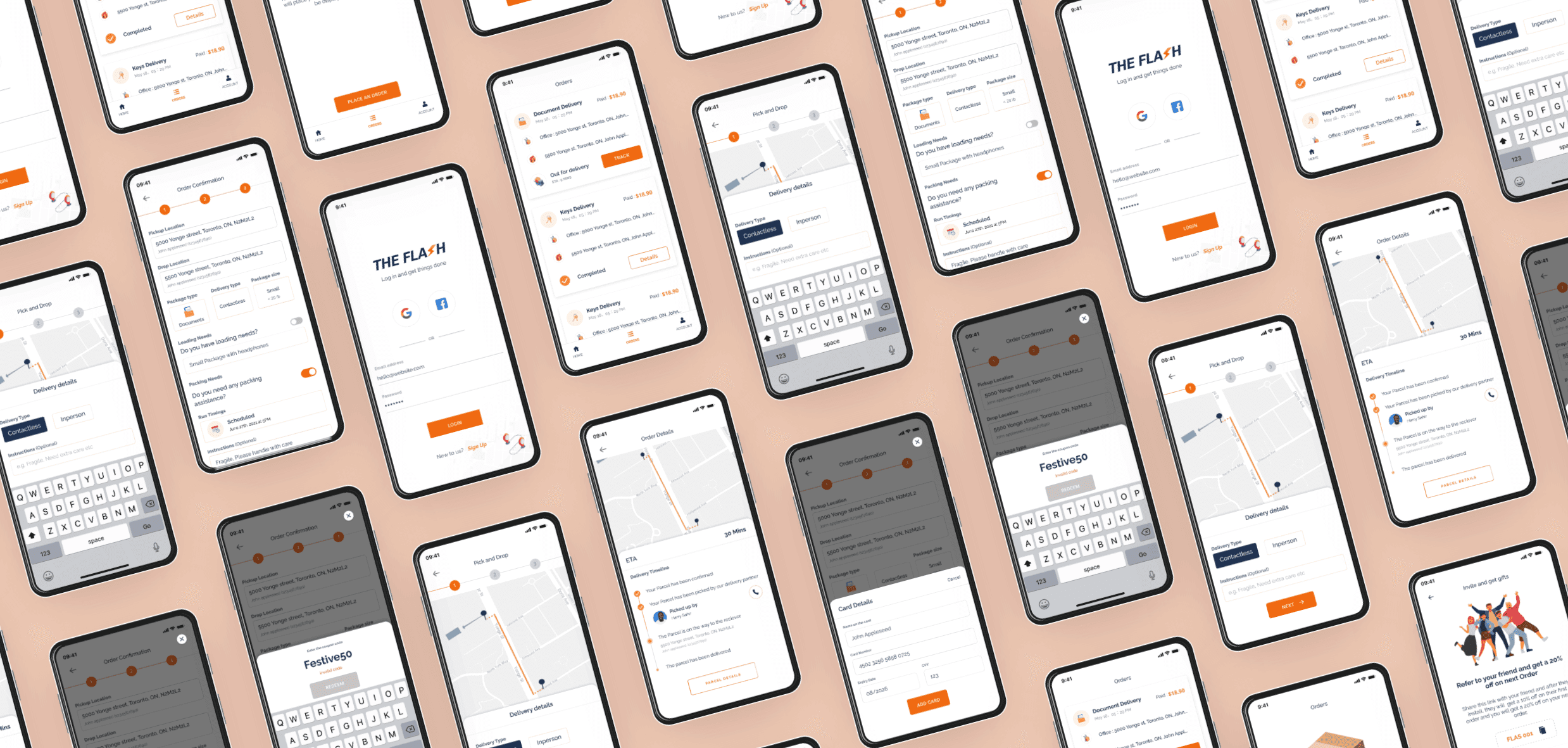
I sketched the low-fidelity wireframes for the Customer mobile app. I conducted audits of different online learning and course platforms to discern common patterns and pain points.
I always reached out for feedback and tested the design with different individuals throughout the entire process. it helped to decide the flow and functionality of the app.
Testing
At this stage of the research process, usability testing was the best way to understand how well we were meeting users’ expectations. This is good because it builds confidence in the team, stakeholders, and customers.
We conducted many hours of user testing and ran many A/B tests. Before finalizing the visual details of the design, we wanted to see how our users responded to our chosen direction.